Dams harm biodiversity and are a risk, according to ecological land maintenance doctrine. But the successful replacement and conservation of Gillett Pond proves this isn't universally true. It is a compelling conservation & recreation win-win story of community, risk, dedication, and a bit of good luck.
In a higher elevation valley between two small towns lies a small oasis for biodiversity and recreation. There's a story behind this body of water. Though it looks like a natural mountain pond, it's past and future are the work of many people over the course of 150 years.
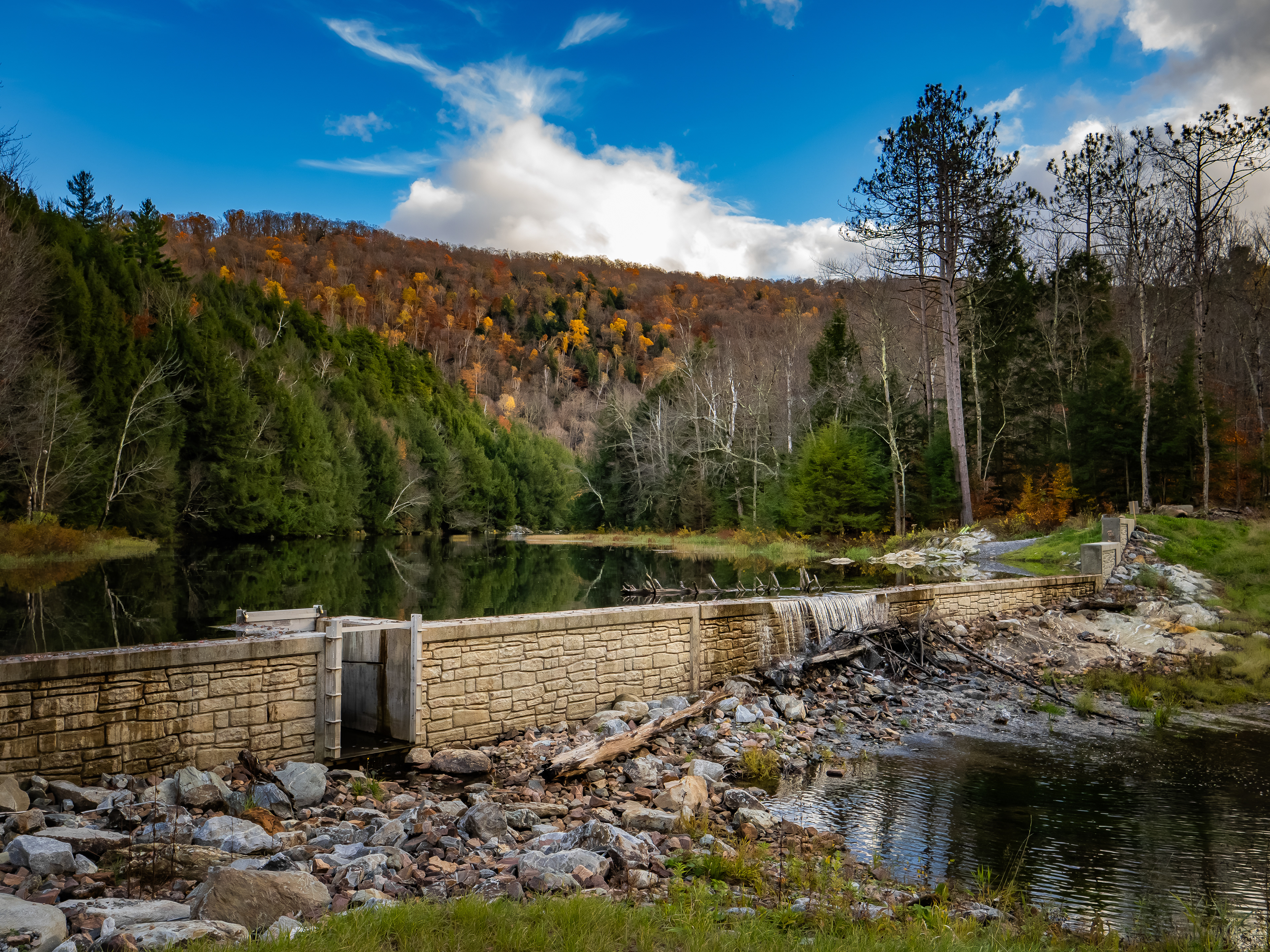
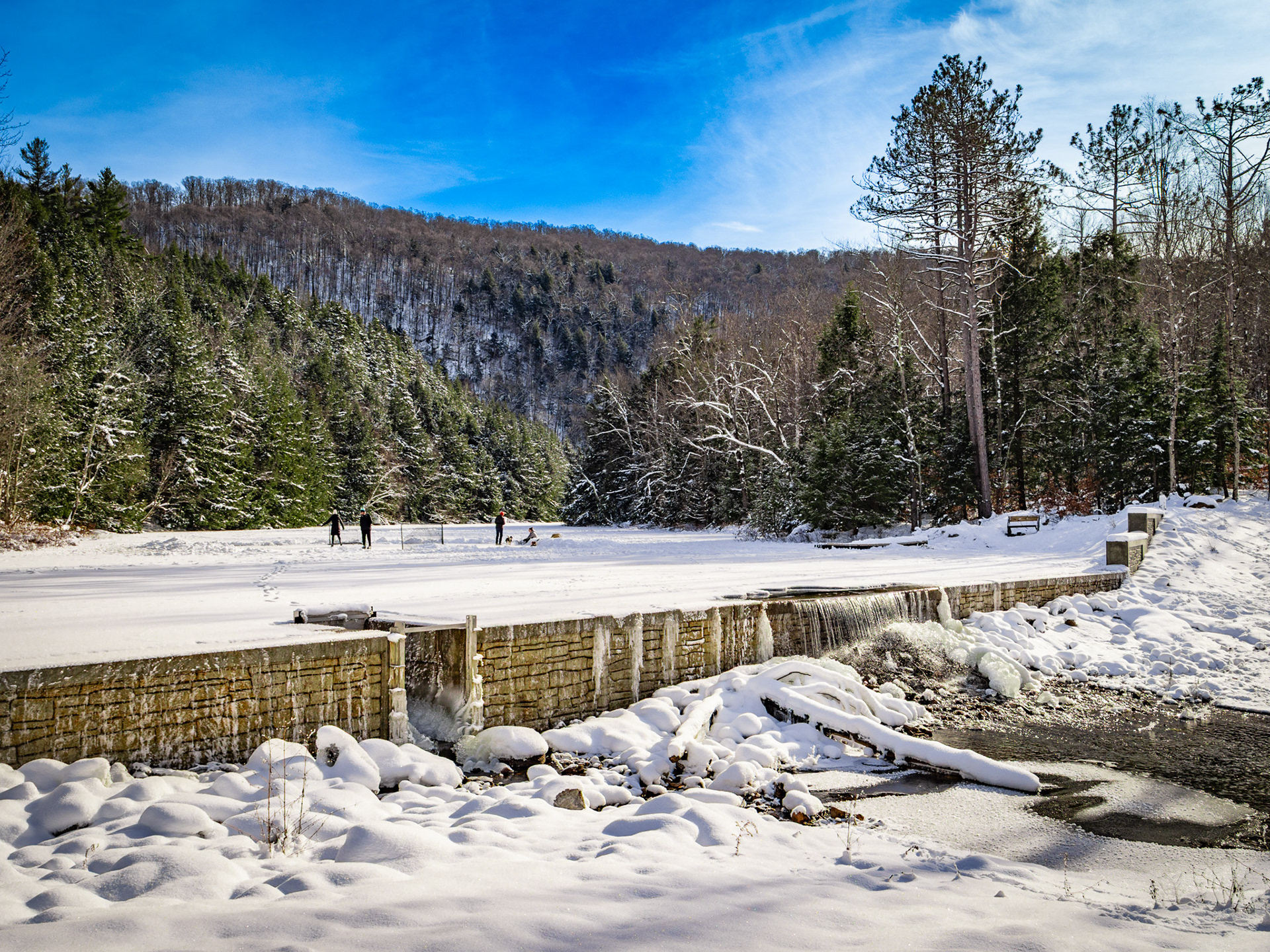
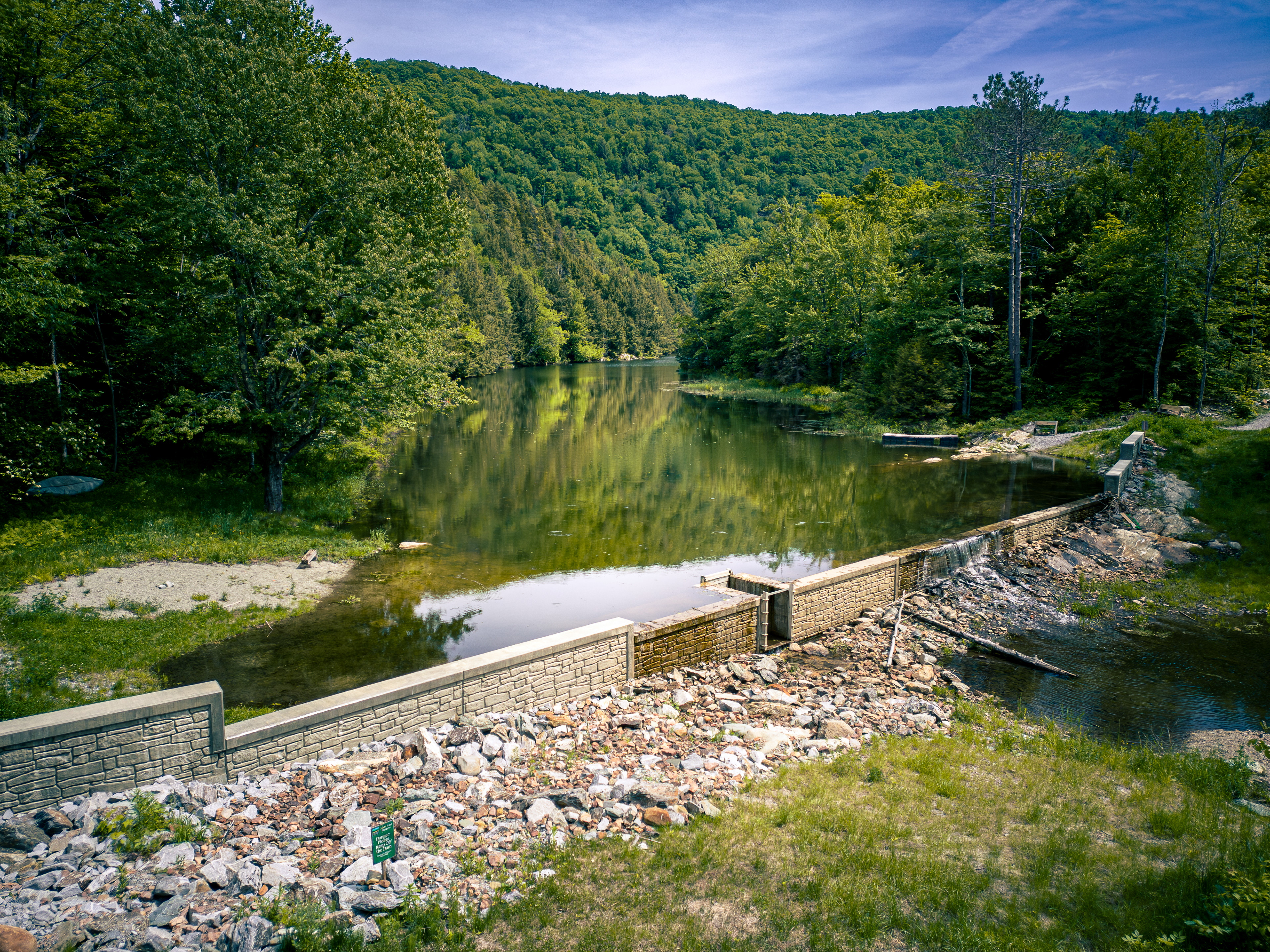
The New Gillett Pond Dam. Completed April 2025 | Audio of the Dam from 10/25/2025
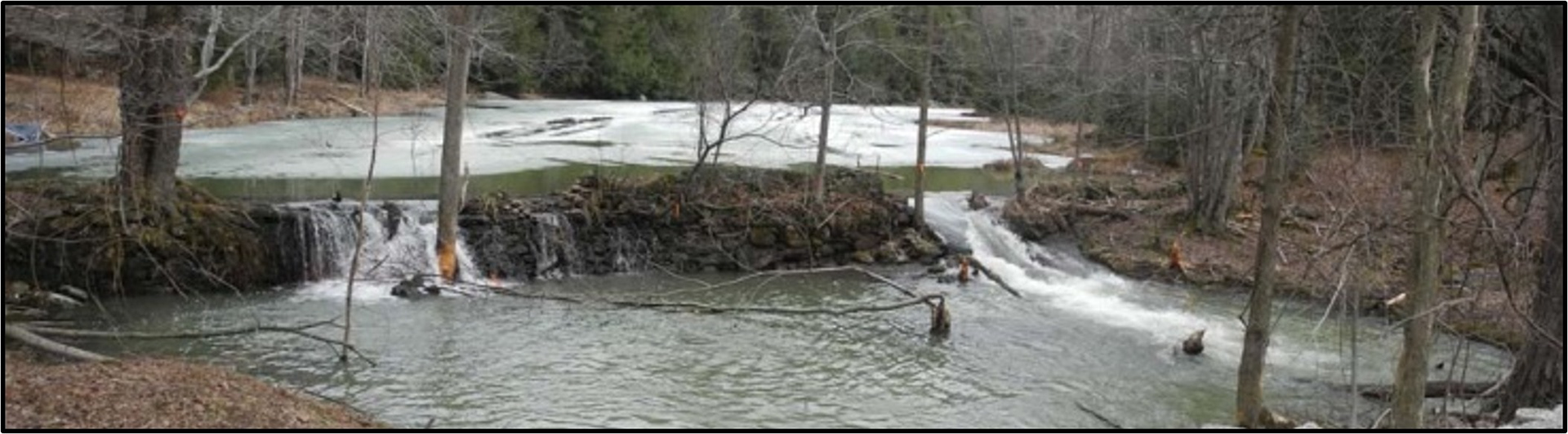
Gillett pond exists because of a dam. Though beaver have likely shaped smaller ponds in this valley for centuries, 19th and 20th century uses of pond required a dam for powering mills and providing electricity. The first dam construction was completed sometime around 1900. But the uses for water the dam provided disappeared decades ago. Despite the pond becoming popular for recreation, the dam fell into disrepair.
The previous dam at Gillett Pond, showing an advanced dilapidated state. (Photo courtesy of Bob Lowe, 2025)
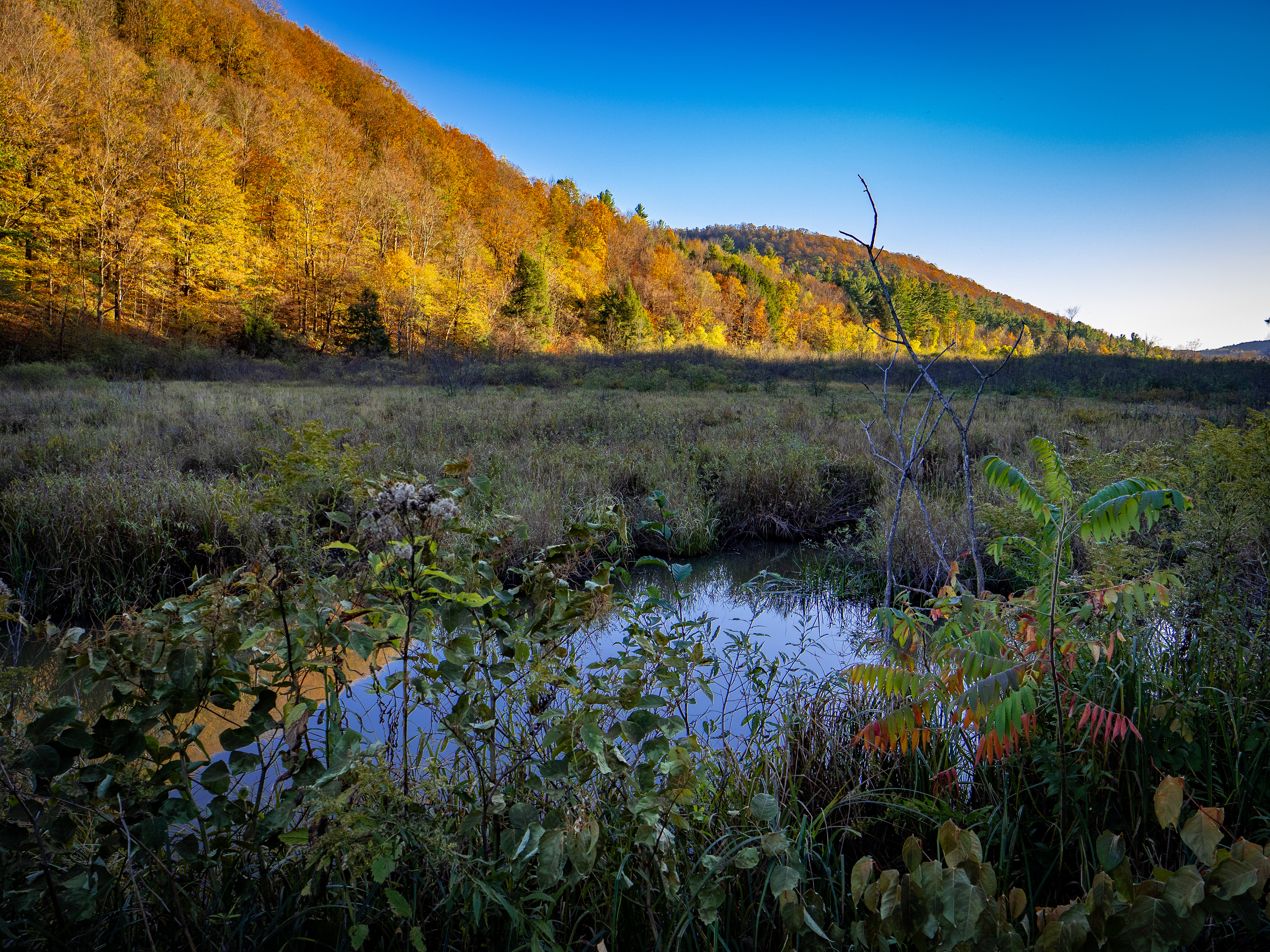
The pond has provided a unique spot for recreation for generations. "Anyone who has skated, paddled, skied, walked, or just gazed at the fall colors reflected in the pond understand at a very deep level how special and unique it is, especially in Vermont" says Fritz Martin. Martin is a member of the Friends of Gillett Pond, a group that banded together to save the pond by replacing the aging dam. Dam projects are notorious for being expensive. Often there are financial incentives or safety requirements for their construction. At Gillett Pond there are no codes requiring a dam, no mandates from the authorities to prevent some unwanted effects. In fact, it flies in the face of official state recommendations to remove dams. The construction was funded and managed by private residents not for financial or extraction benefits, but for the expressed purposes of recreation and conservation only. So, the successful funding and completion of the new dam is very significant and unique.
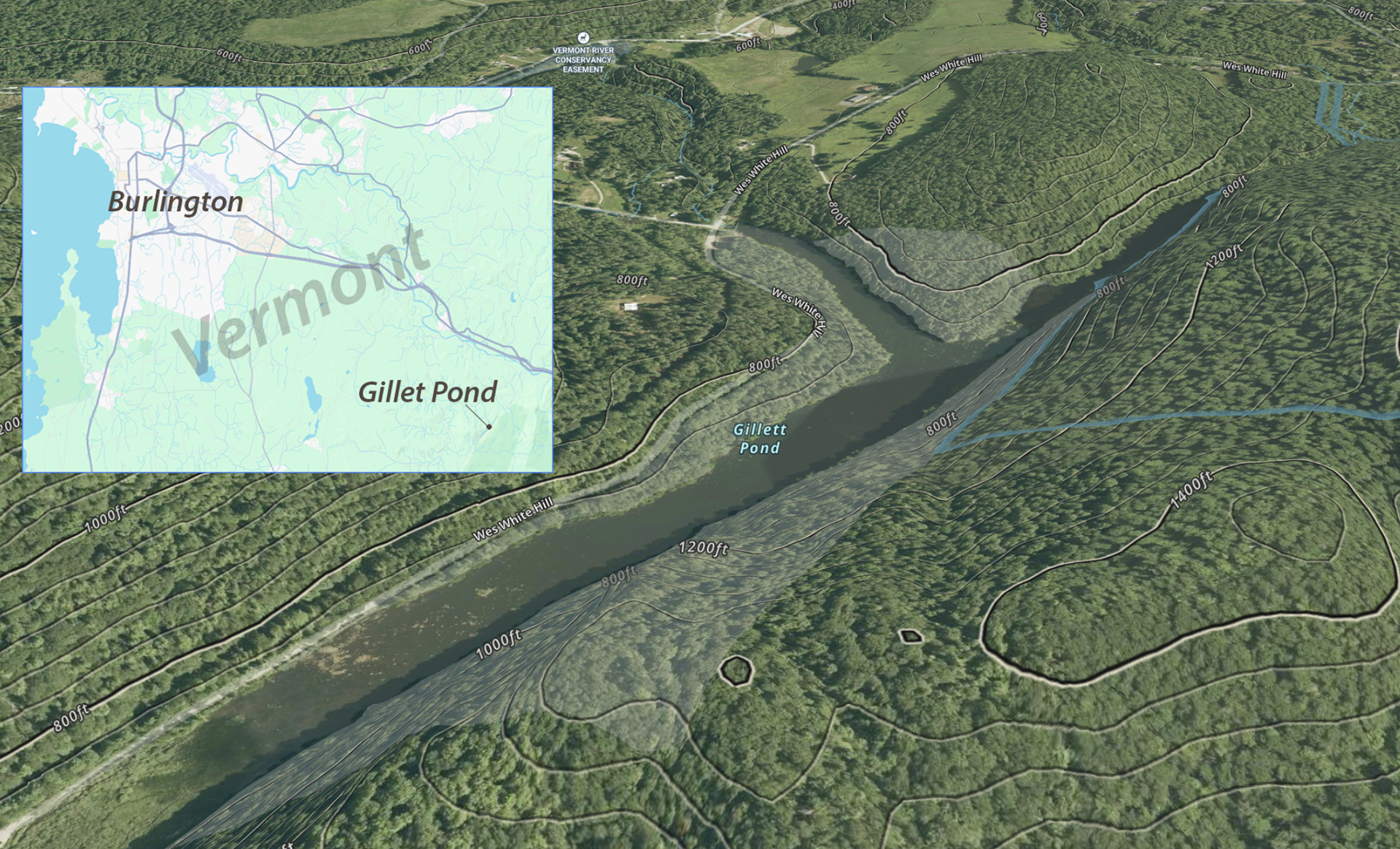
Layered topographic satellite map is facing north towards the town of Richmond.
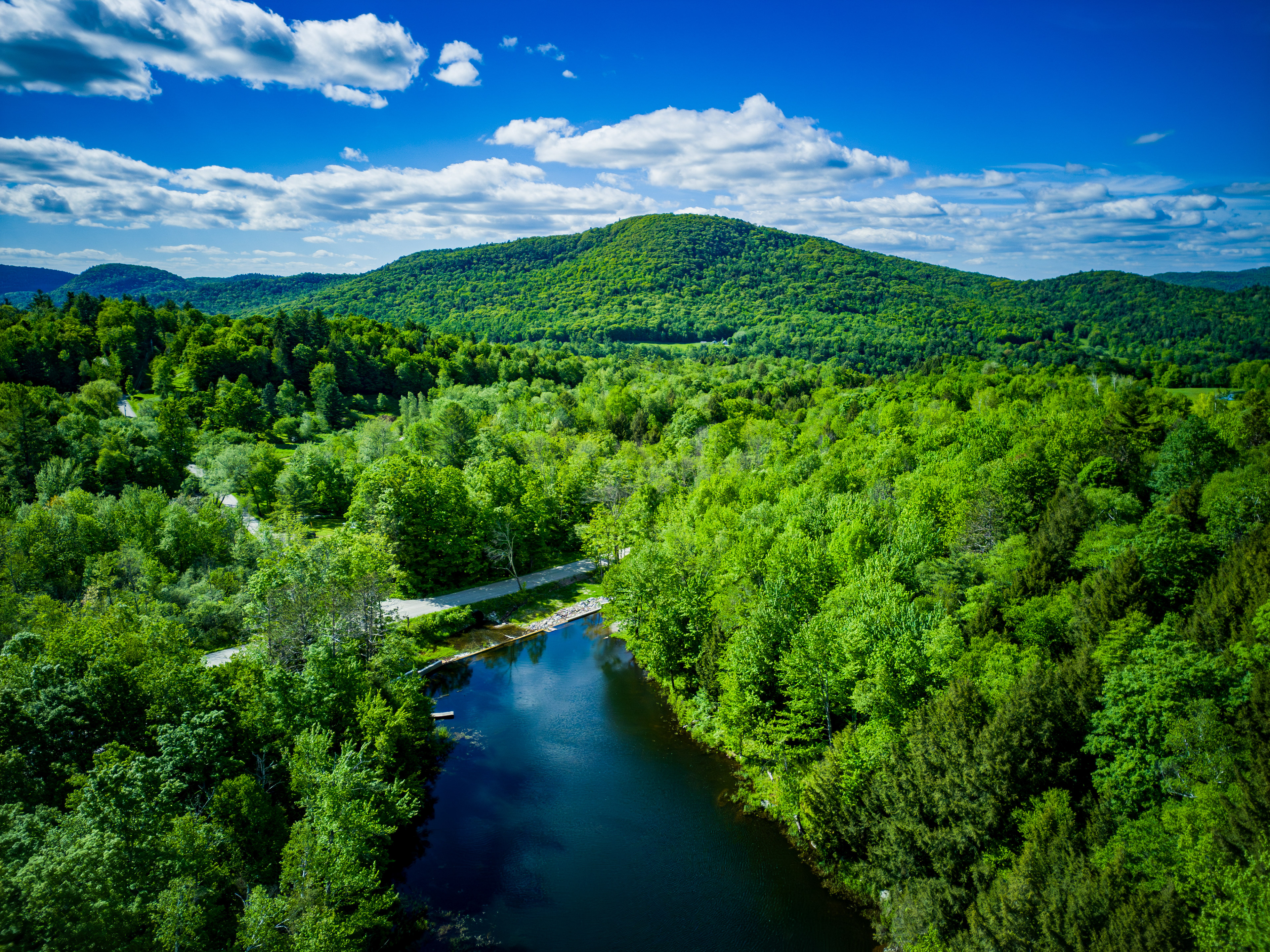
Through the efforts of the Friends of Gillett Pond, the land shown highlighted is now owned by the Richmond Land Trust. The Robbins Mountain Wildlife Management Area just to the east of the pond is shown outlined in blue and adds to the conservation of the area. Straddling the Richmond and Huntingdon town border, 30-acre Gillett Pond is located at about 650 ft elevation. The higher elevation meant the lake could be and was used as an energy storage mechanism for the short-lived hydroelectric facility which once was located near Huntington Gorge. That area is shown as a Vermont River Conservancy easement in the Huntington river valley and also owned by the Richmond Land Trust.
A Haven of Biodiversity
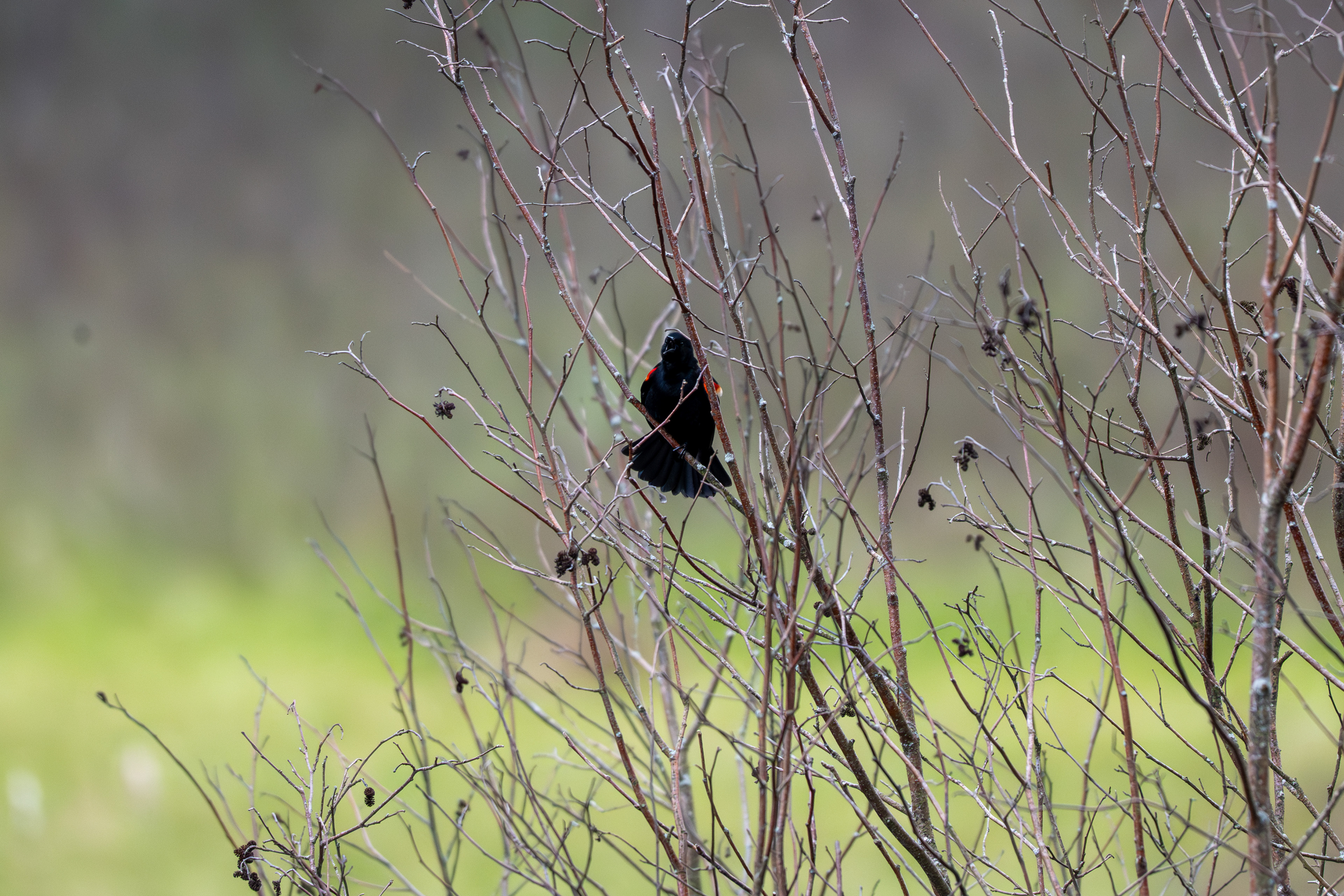
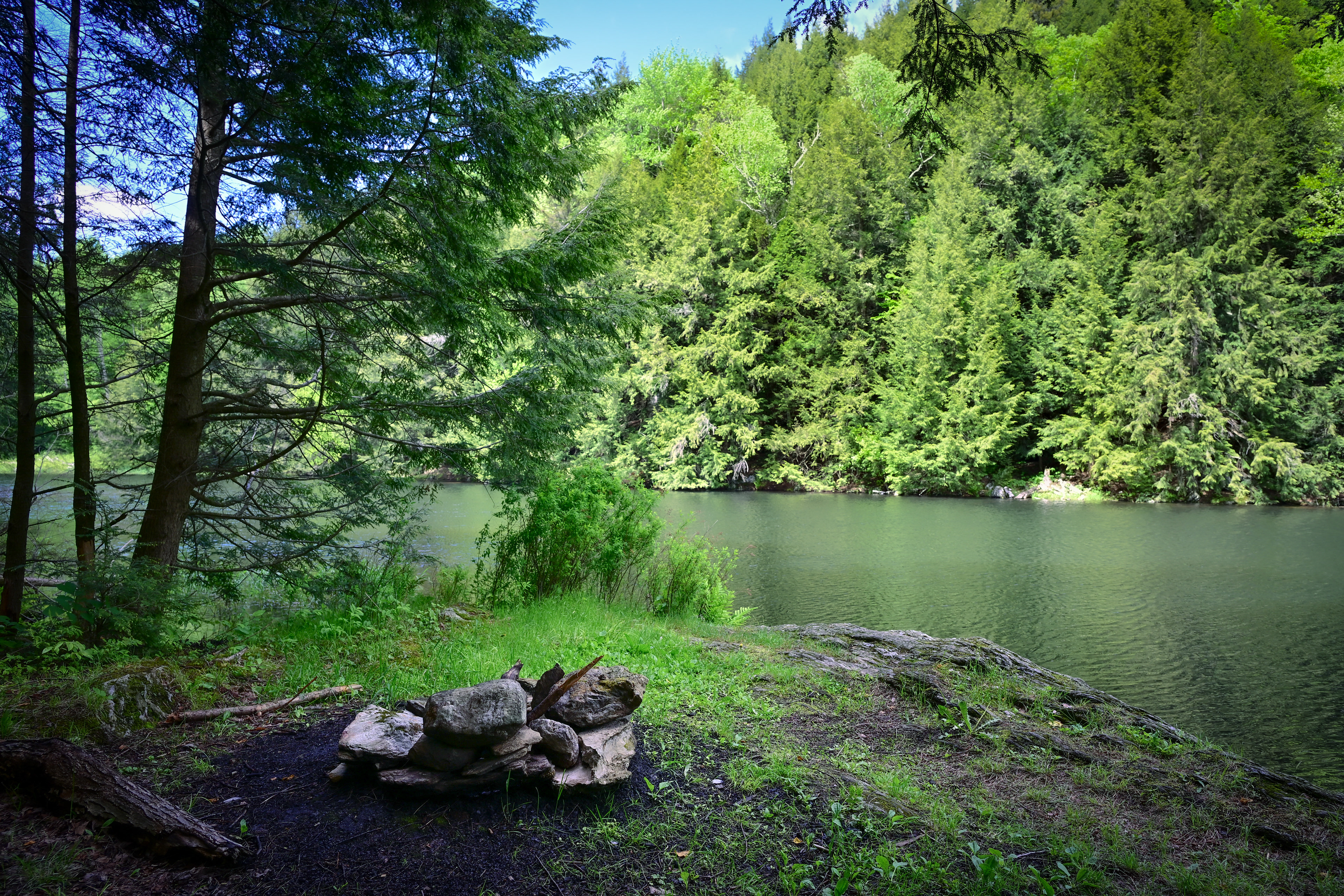
Unlike many ponds and lakes around Vermont, the only development on Gillett Pond is the dam, a small floating slip, and a parking lot. There are no private residences, no watercraft rentals, no boat ramp. It is not a national or state park and offers no services. But perhaps most uniquely, no trails exist anywhere around the pond. The lack of trails is significant as it dramatically reduces the amount of disturbance from people and pets. The only interruption to the peace comes from the odd vehicle on a nearby road. This lack of development provides a safe haven for wetland and aquatic species as well as those species that predate. Bear, deer, beaver, cottontail rabbit, chipmunk, red squirrel, muskrat, porcupine, fisher, mink, and skunk all make this area home. And it was this biodiversity which presented a valid case for a new dam to save the pond.
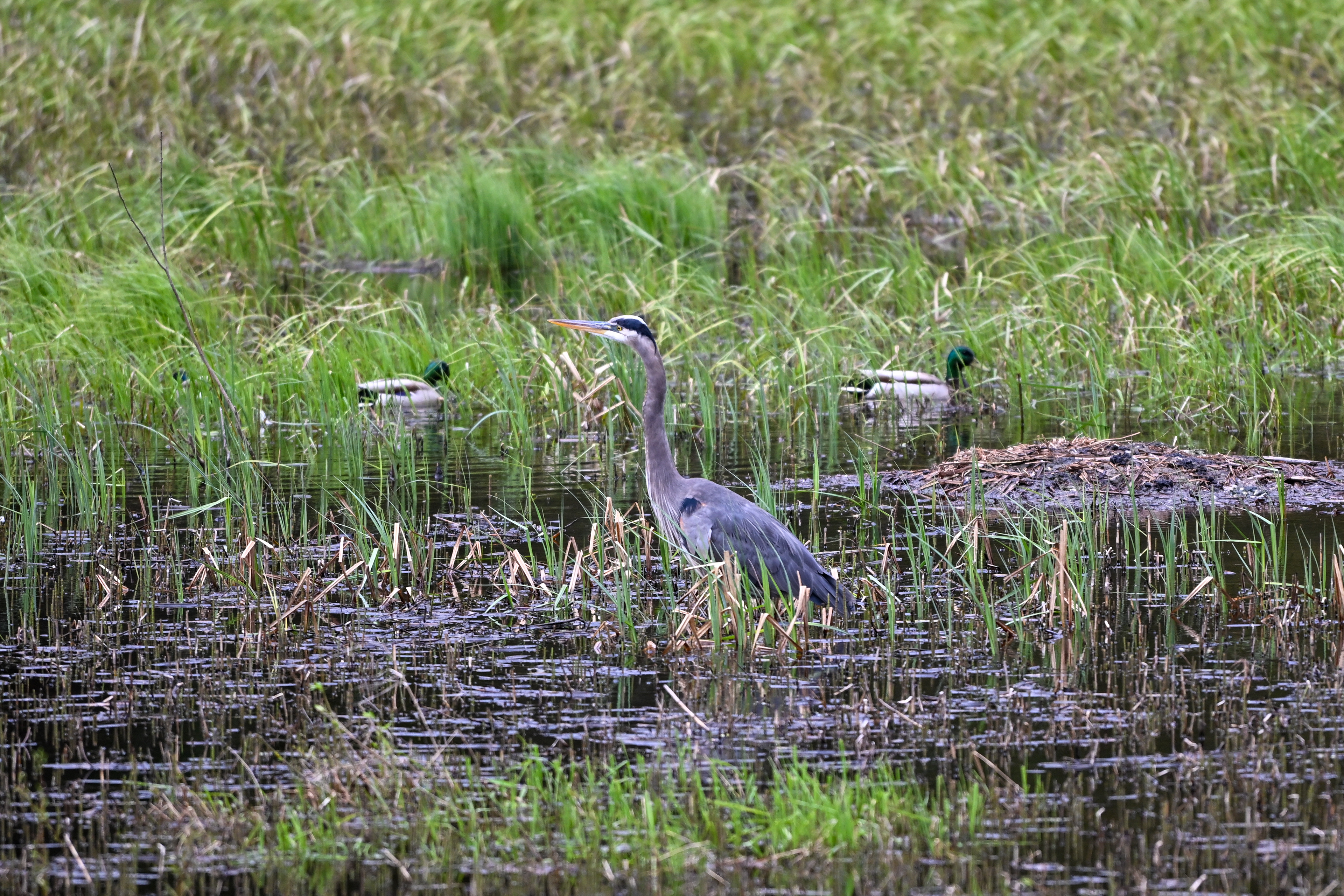
The pond gives way to emergent marsh and alder swamp on the southern end, an important breeding habitat for many species.
Long-Term Challenges Solved by a Dedicated Team
Public infrastructure projects are not cheap, and dam projects are long term projects which often can fall outside the interests of investors. How the new Gillett Pond dam was funded and built causes one to marvel at the results, but is also a lesson in having the right team together from the start.
The Friends of Gillet Pond was a 7-person committee. Crucially it included experts in engineering, finance, environmental analytics, permitting, construction, project management and communications. It is ideal group to take on a challenge like this and could be considered a model in terms of similar projects.
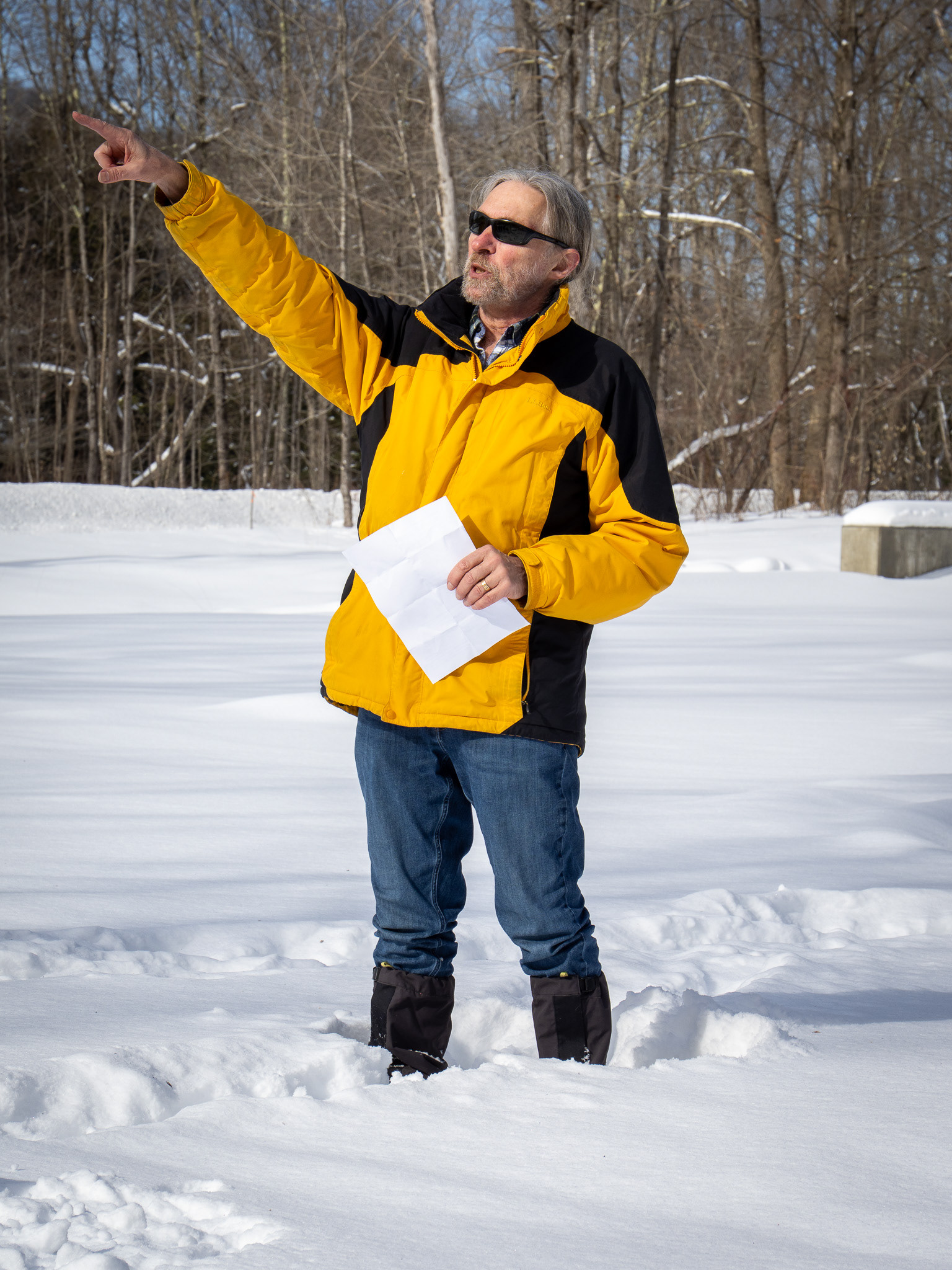
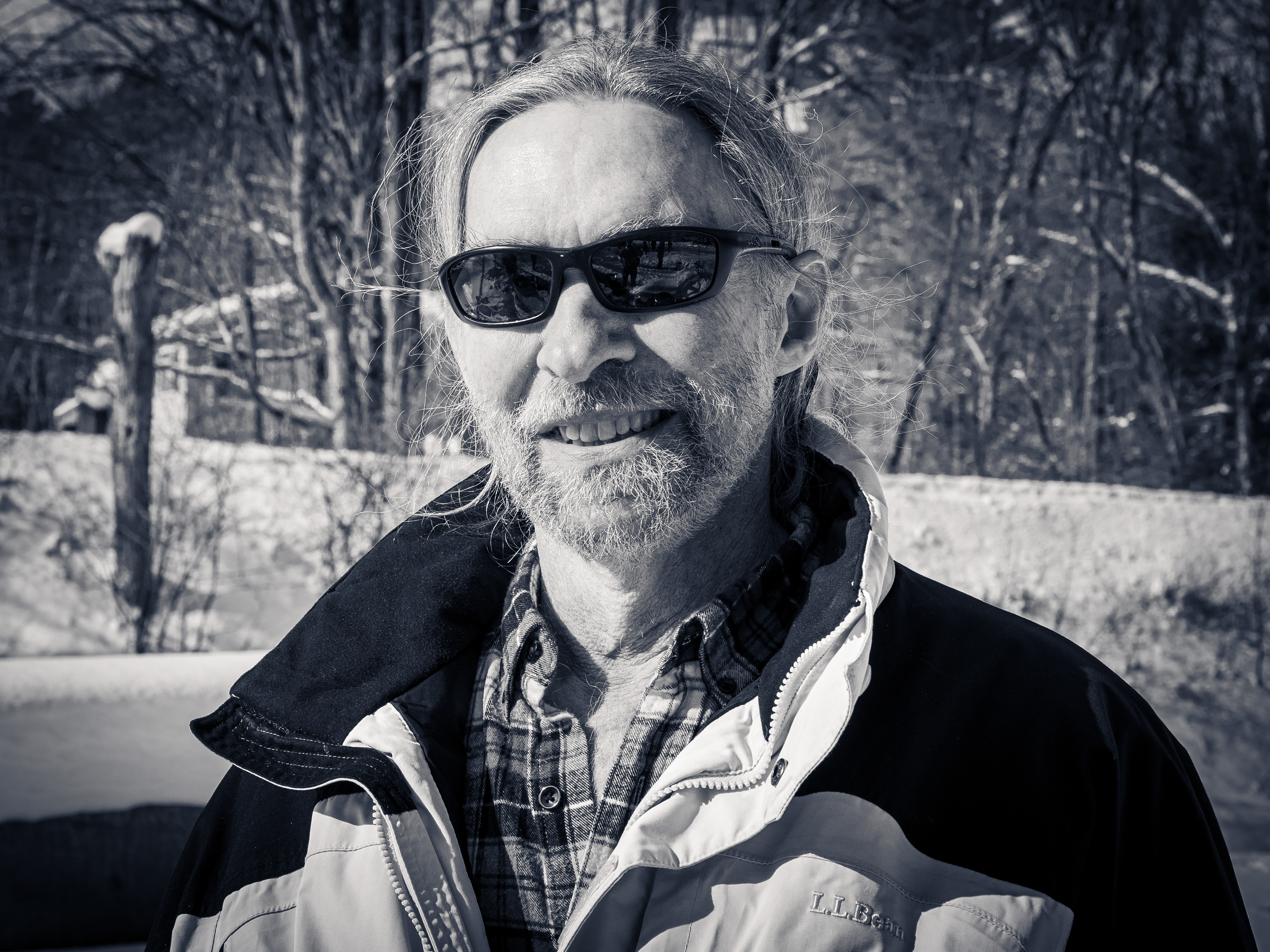
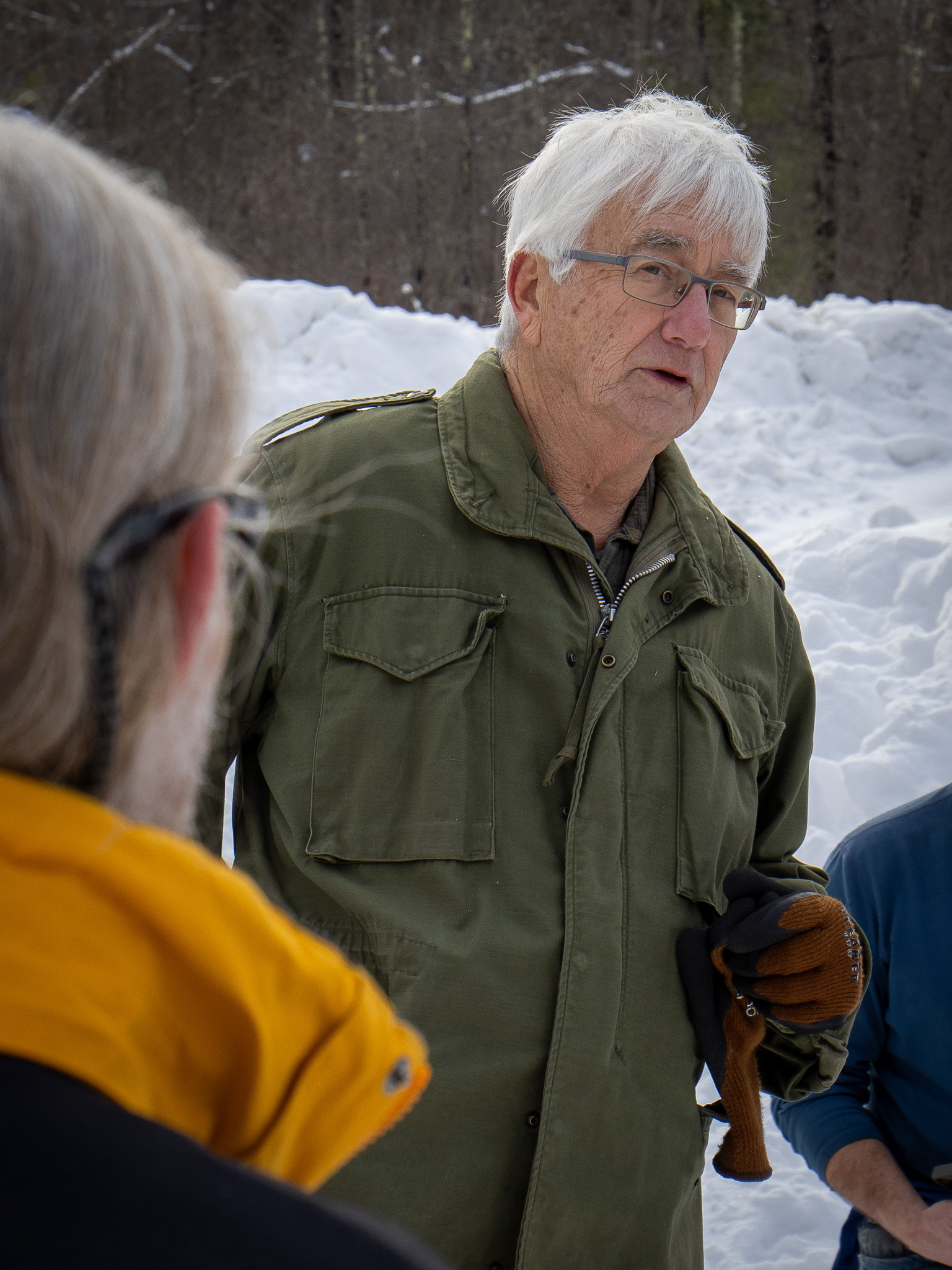
Fritz Martin offered some thoughts on the challenges:
Why did you take this on? What aspect or benefit of the new pond is most important to you?
Flat bodies of water are scarce and those that have not been surrounded by development are nearly non-existent. So, when confronted with losing a treasure like this, you don’t think about it, you dig in and save it because that’s what needs to be done.
What would you say to the state about the benefits of this project given the incentives to get rid of dams?
Not all dams are bad. Floyd Dominy gave dams a bad name. Beavers give dams a good name. Our dam is what the beavers would have built if they had concrete.
This was a $1 million project, a big ask in a small community. What are some suggestions for others that might be trying to take on such an ambitious fundraising challenge in a similar environment?
Be convinced your project is truly beneficial to your community. Then, be realistic, but not disheartened, and hire some professional fundraising help. Also understand that it will take longer than you expect but you will also get donations from sources you never expected.
What are your hopes for the future of the pond?
I don’t need hope. I have certainty that for generations to come it will continue to provide a biodiverse environment, soul satisfying retreat, and recreation opportunities, things that my generation and past generations have enjoyed.
Government Funding Stacks the Odds
In addition to hard work, success often comes with a bit of luck. In 2021 with the cost estimates rising and inflation increasing, the Richmond Land Trust learned the dam had been one of 11 projects approved for federal funding. It received $250,000 by way of a federal grant to be used for a new dam at Gillett Pond. The source was a congressionally directed spending request (otherwise known as an earmark) from then Vermont Senator Patrick Leahy. Vermont's Senior Senator was quite influential at the time. Leahy chaired the senate appropriations committee and was president pro tempore of the Senate, putting the veteran senator third in line of succession to the presidency.
The trust had $250,000 in community funding and another $250,000 from town conservation funds. This extra $250,000 re-invigorated the cause, spurring a further round of fund-raising and paving the way for the group to move forward with construction by the summer of 2024.
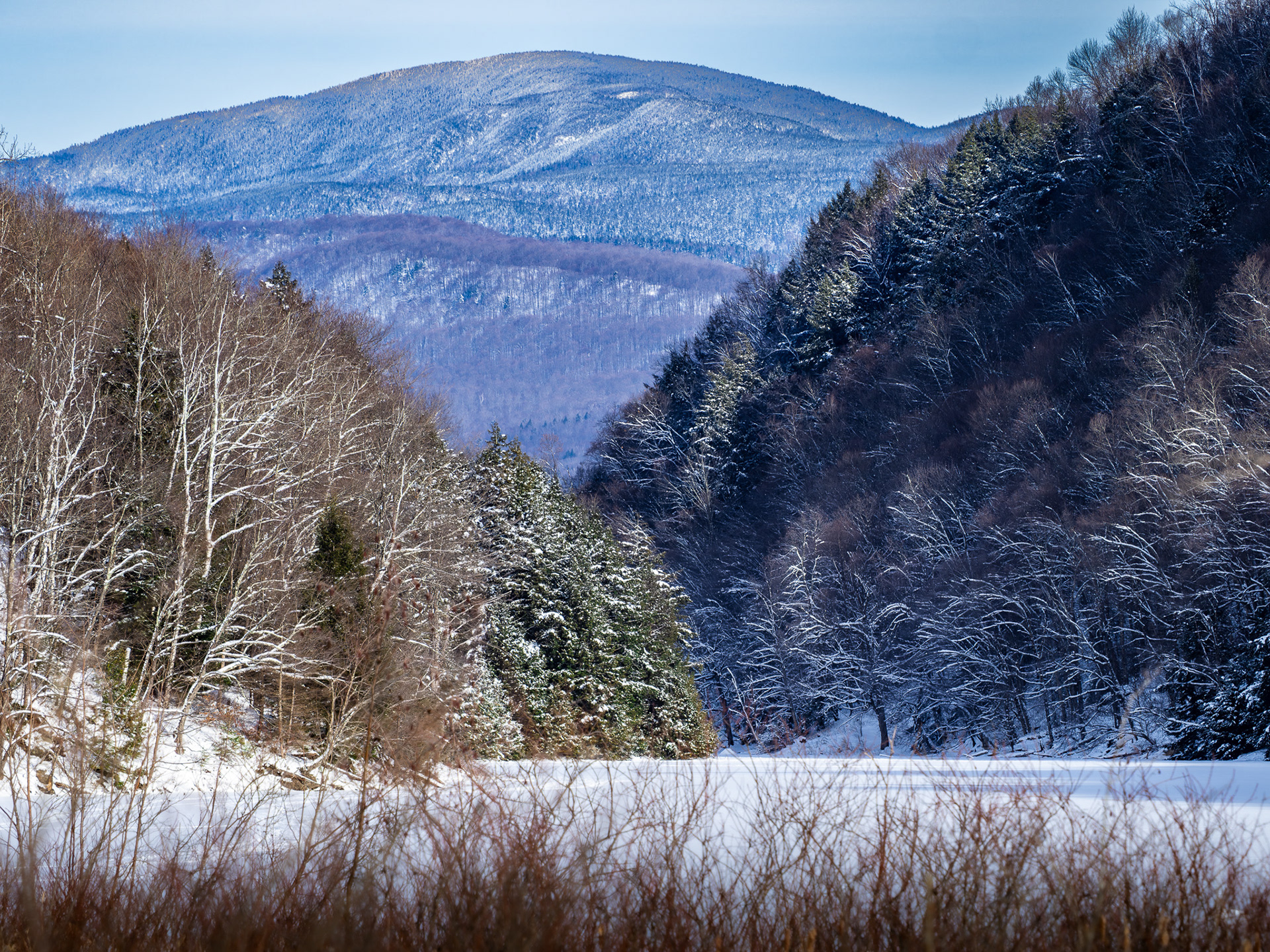
Winter sets in at the southern terminus of the pond. The ridgeline leading to Oxbow Mountain, a route of the Vermont Long Trail is seen in the distance.
Explore
The pond is accessible from Wes White Road. There is parking for about 8 cars near the dam located on the western branch (44.35816° N, 72.96483° W) and another, smaller parking area near the end of the southern branch (44.34914° N, 72.97018° W). A small single-track leads from the main parking area to the shore and provides a put in for canoes and other small paddle-sport craft.
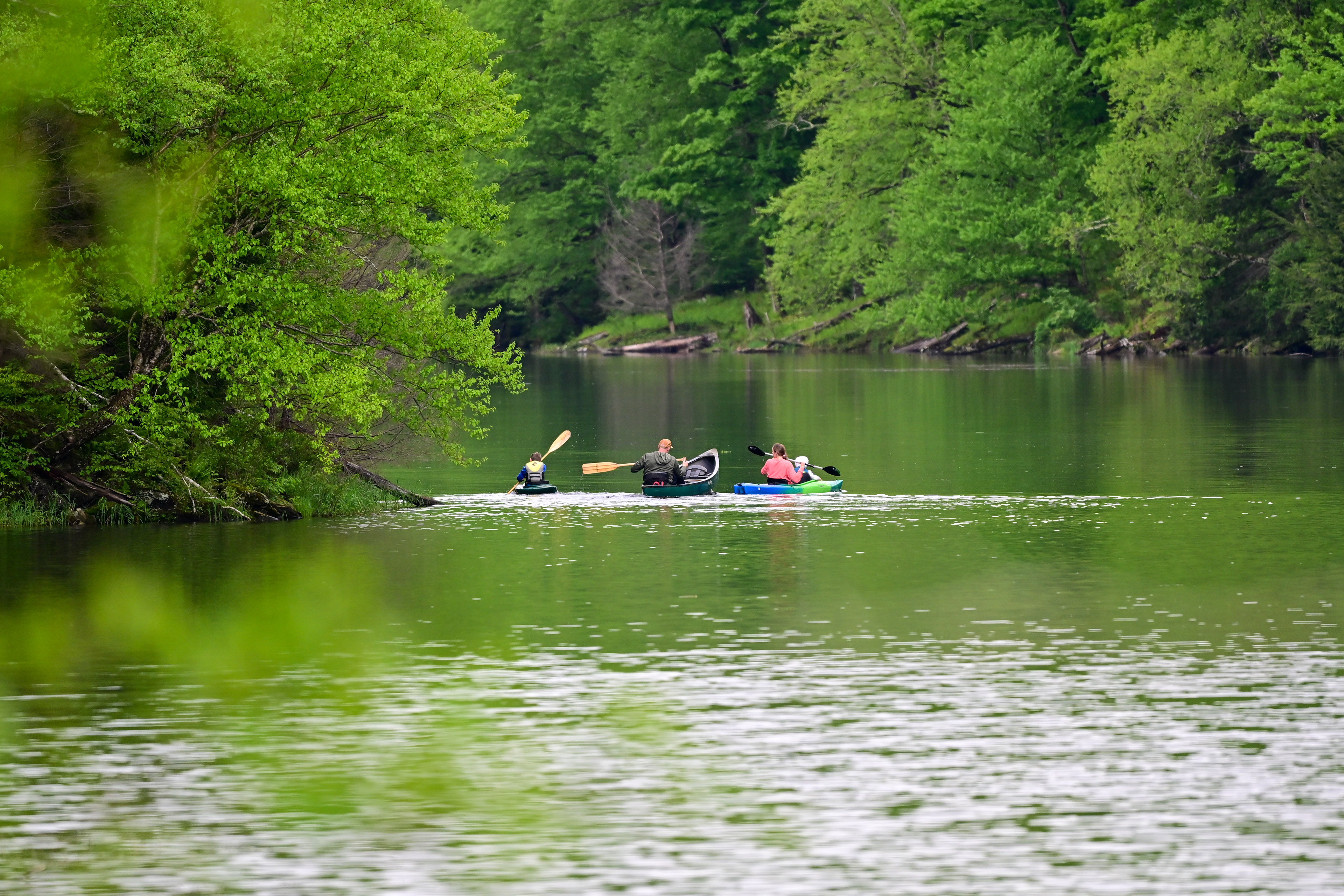
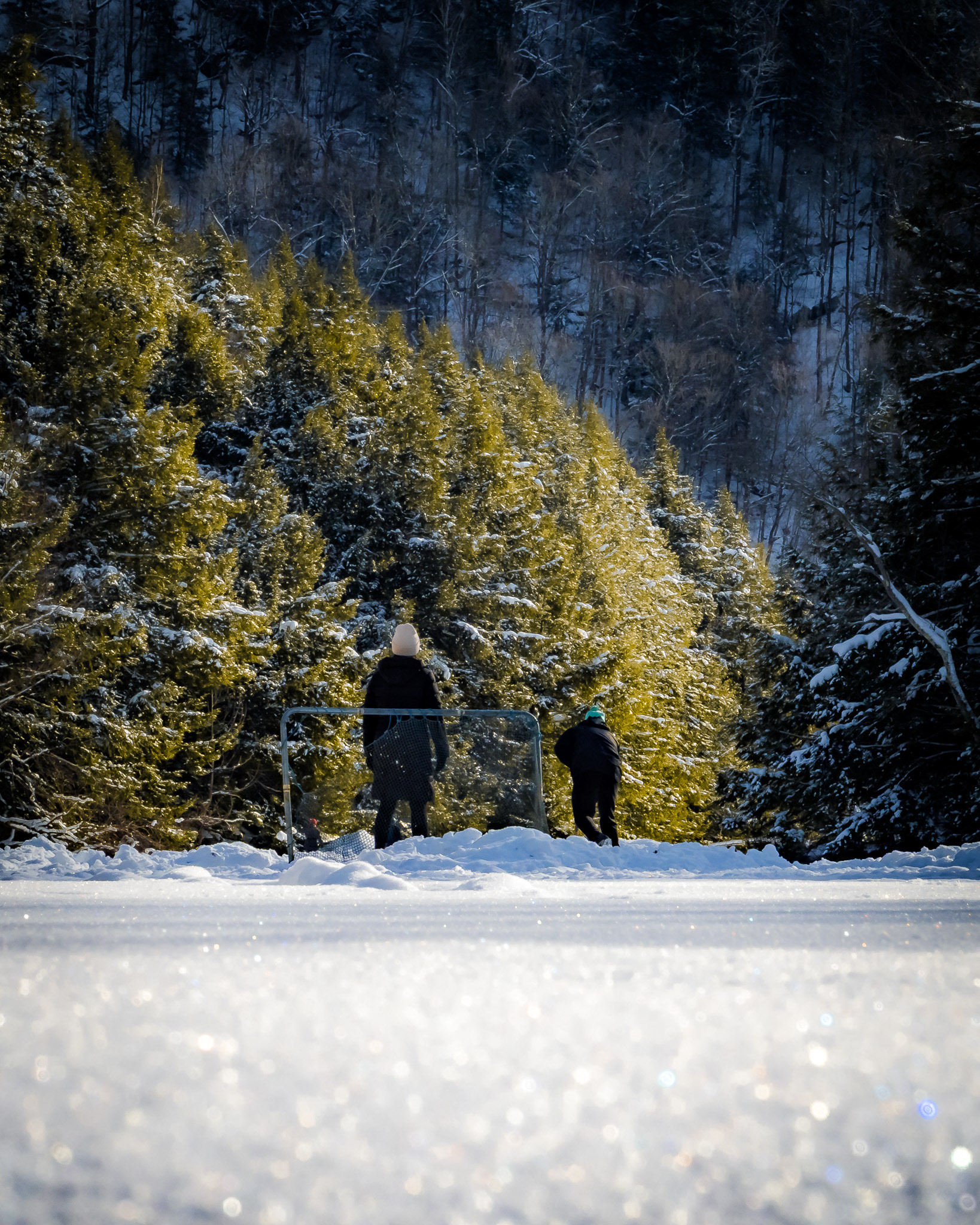
The water is known to have leeches, so swimming is not recommended. Paddle sports, ice fishing, and skating are some of the more popular activities along with wildlife spotting.
The steep shores do not offer many spots to rest. But this means they are usually bustling with wildlife like birds, deer and smaller mammals. The wind can funnel near the center of the water so paddling close to shore can help. This can help provide distance to the opposite shore, which encourages wildlife to come nearer to the pond. The branches of water being small means wildlife can still be easily seen on the opposite shore.
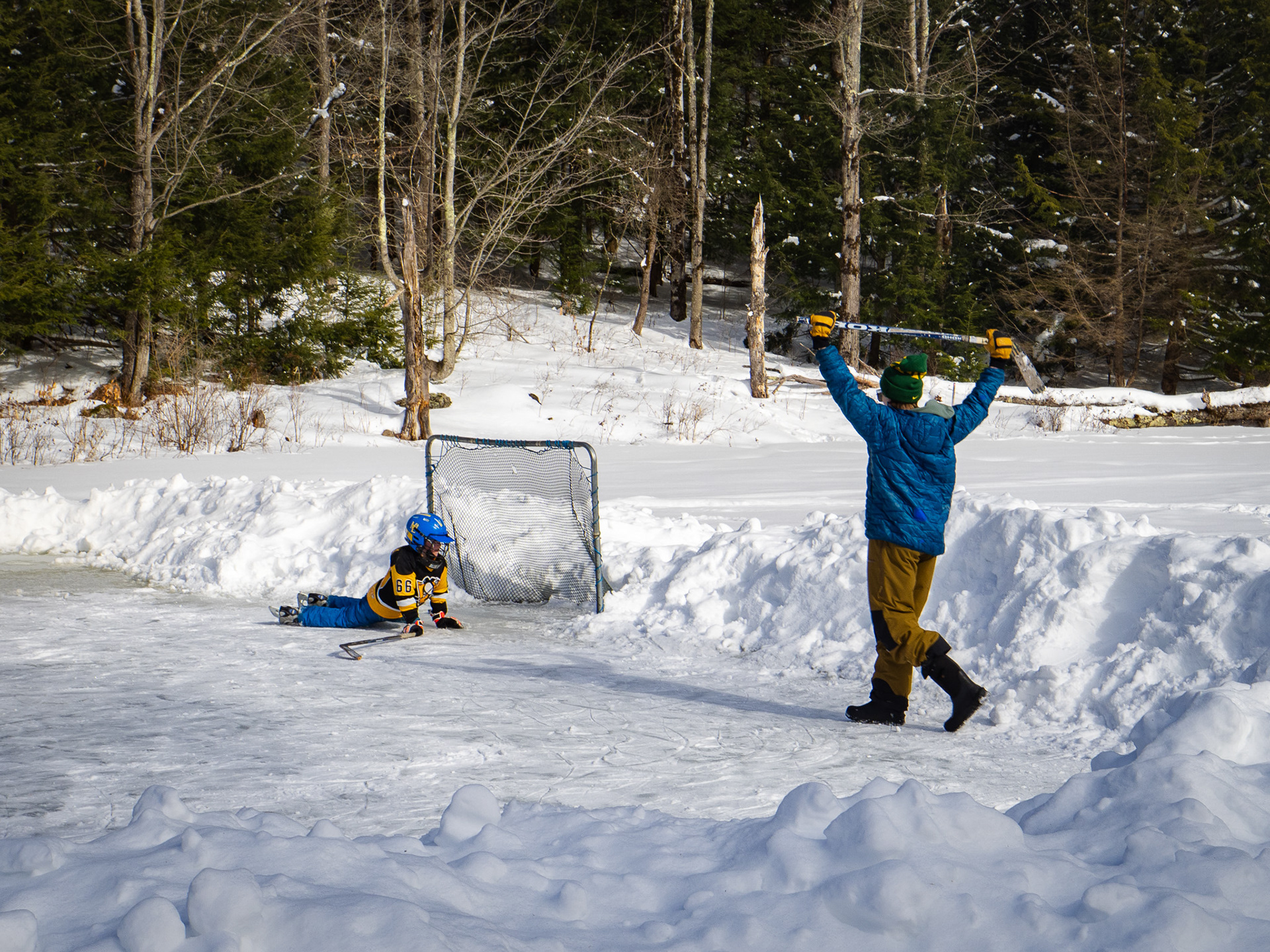
Setting up for ice hockey. December 2025
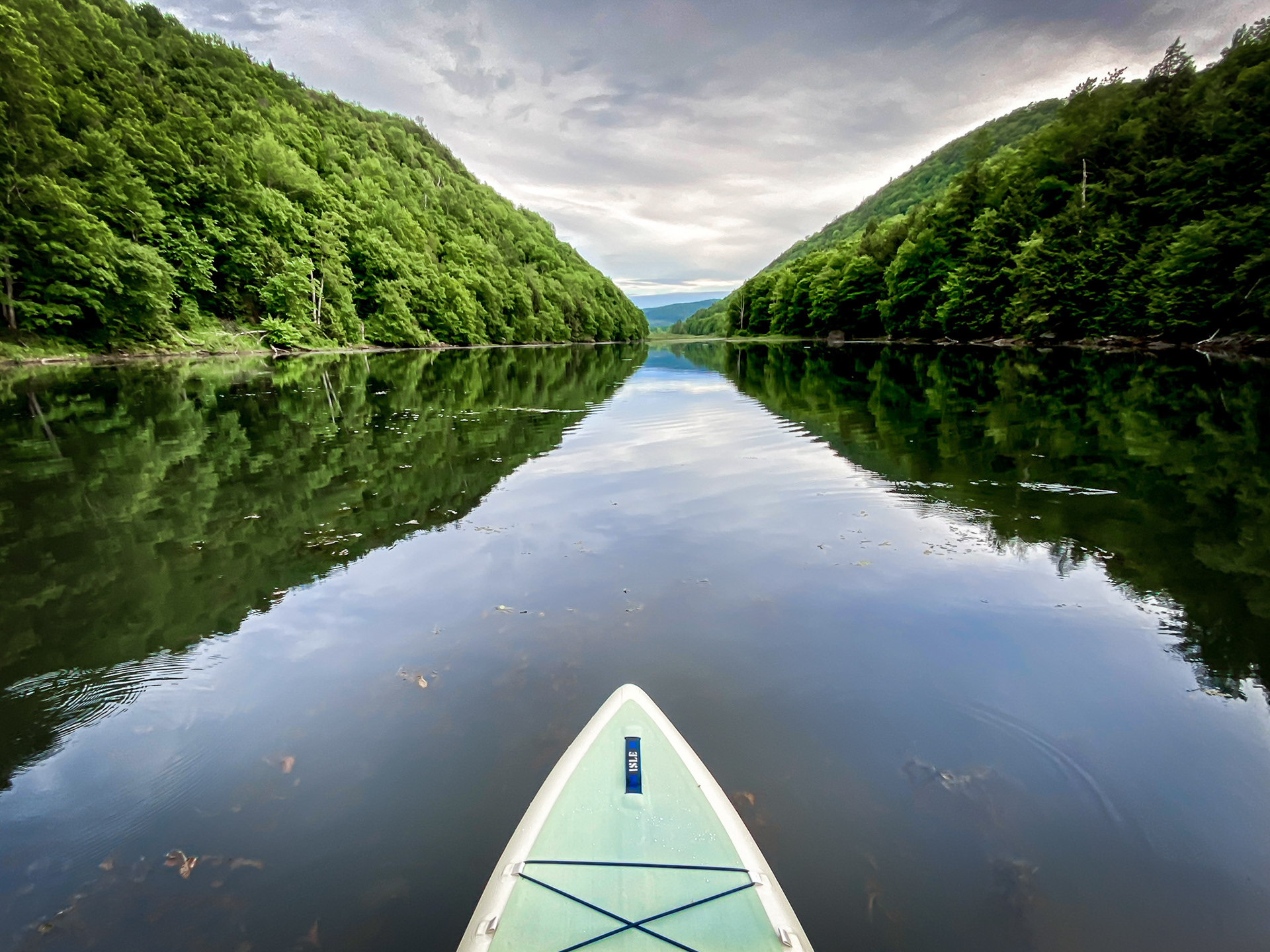
Paddling. July 2025